Book Value Per Share BVPS: Definition, Calculation & Importance
It can be defined as the net asset value of the firm or company that can be calculated as total assets, less intangible assets (goodwill, patents, etc.), and liabilities. Further, Book Value Per Share (BVPS) can be computed based on the equity of the common shareholders in the company. While corporate debt holders and preferred shareholders are entitled to a fixed series of cash payments, the cash flow in excess of those amounts is essentially the property of the common shareholders. The value of a common stock, therefore, is related to the monetary value of the common shareholders’ residual claim on the corporation – the net asset value or common equity of the corporation. It may not include intangible assets such as patents, intellectual property, brand value, and goodwill. It also may not fully account for workers’ skills, human capital, and future profits and growth.
Limitations of BVPS
In contrast, video game companies, fashion designers, or trading firms may have little or no book value because they are only as good as the people who work there. Book value is not very useful in the latter case, but for companies with solid assets, it’s often the No.1 figure for investors. By repurchasing 1,000,000 common shares from the company’s shareholders, the BVPS increased from $3.00 to $4.50. An investor can apply BVPS to a stock by analyzing the company’s balance sheet. Specifically, an investor will need total asset value, cost of acquiring an asset, and accumulated depreciation of corporate assets which helps provide the most accurate BVPS figure. An even better approach is to assess a company’s tangible book value per share (TBVPS).
Price-to-Book (P/B) Ratio
Suresh recently joined as an intern under Vivek and carried a passion for research. It’s easy to get started when you open an investment account with SoFi Invest. You can invest in stocks, exchange-traded funds (ETFs), mutual funds, alternative funds, and more.
Methods to Increase the Book Value Per Share
Total annual return is considered by a number of analysts to be a better, more accurate gauge of a mutual fund’s performance, but the NAV is still used as a handy interim evaluation tool. For instance, consider a company’s brand value, which is built through a series of marketing campaigns. U.S. generally accepted accounting principles (GAAP) require marketing costs to be expensed immediately, reducing the book value per share. However, if advertising efforts enhance the image of a company’s products, the company can charge premium prices and create brand value. Market demand may increase the stock price, which results in a large divergence between the market and book values per share.
- For companies seeking to increase their book value of equity per share (BVPS), profitable reinvestments can lead to more cash.
- Over time, the historical cost basis may not reflect the true worth of assets due to inflation, depreciation, and changes in market conditions, leading to potential misvaluation of the company’s stock.
- One limitation of book value per share is that, in and of itself, it doesn’t tell you much as an investor.
- The book value per share of an undervalued stock is higher than its current market price, so book value per share can help investors appraise a stock price.
Book Value Per Share vs Market Value Per Share
SoFi doesn’t charge commissions, but other fees apply (full fee disclosure here). Knowing what book value per share is, how to calculate it, and how it differs from other calculations, can add yet another tool to an investor’s tool chest. This means that each share of the company would be worth $8 if accountants tauranga the company got liquidated. Now, let’s say that you’re considering investing in either Company A or Company B. Given that Company B has a higher book value per share, you might find it tempting to invest in that company. However, you would need to do some more research before making a final decision.
How to Increase Book Value Per Share
Yes, if a company’s liabilities exceed its assets, the BVPS can be negative, signaling potential financial distress. By multiplying the diluted share count of 1.4bn by the corresponding share price for the year, we can calculate the market capitalization for each year. The book value of equity (BVE) is the value of a company’s assets, as if all its assets were hypothetically liquidated to pay off its liabilities.
BVPS is what shareholders receive if the firm is liquidated, all tangible assets are sold, and all liabilities are paid. The book value per share (BVPS) ratio compares the equity held by common stockholders to the total number of outstanding shares. To put it simply, this calculates a company’s per-share total assets less total liabilities. Book value per common share (or, simply book value per share – BVPS) is a method to calculate the per-share book value of a company based on common shareholders’ equity in the company. The book value of a company is the difference between that company’s total assets and total liabilities, and not its share price in the market.
The market value per share is a company’s current stock price, and it reflects a value that market participants are willing to pay for its common share. The book value per share is calculated using historical costs, but the market value per share is a forward-looking metric that takes into account a company’s earning power in the future. With increases in a company’s estimated profitability, expected growth, and safety of its business, the market value per share grows higher. Significant differences between the book value per share and the market value per share arise due to the ways in which accounting principles classify certain transactions.
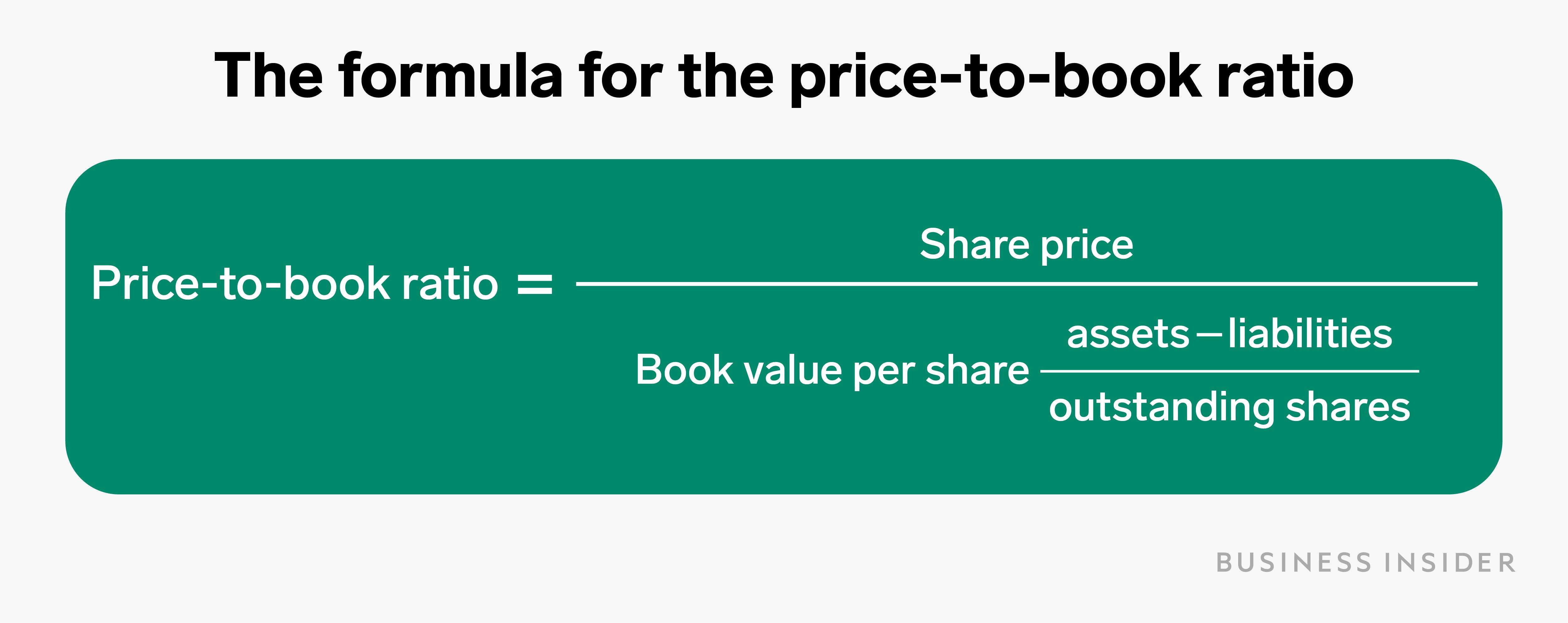
There is also a book value used by accountants to value the assets owned by a company. This differs from the book value for investors because it is only used internally for managerial accounting purposes. Comparing BVPS to the market price of a stock is known as the market-to-book ratio, or the price-to-book ratio. That said, looking deeper into book value will give you a better understanding of the company. In some cases, a company will use excess earnings to update equipment rather than pay out dividends or expand operations.